

MAV Design & Build is a design-build contractor, not a lender. This guide explains how the common ways homeowners pay for a remodel actually work — using the Consumer Financial Protection Bureau’s and HUD’s own descriptions, not rates or offers from any specific lender.
Book a ConsultationCall (832) 532-6829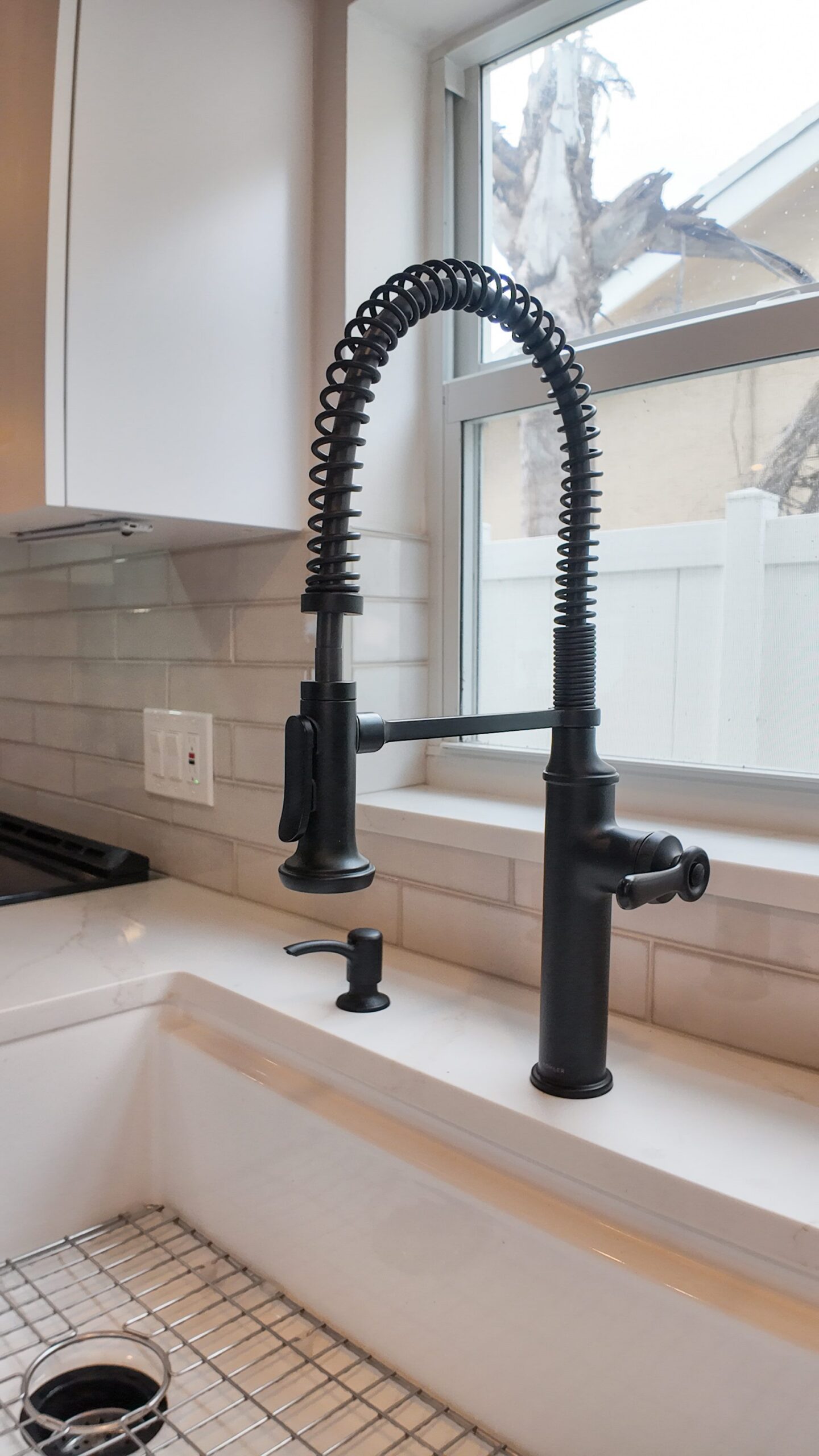
How do homeowners typically pay for a remodel?
Most Houston homeowners pay for a remodel with cash and savings, by borrowing against home equity (a home equity loan or HELOC), through a cash-out refinance, with an unsecured personal loan, or — for a purchase or major rehab — an FHA-insured Title I or 203(k) loan. Which one fits depends on how much equity you have, how fast you need the funds, and whether the project is a single phase or a longer renovation. MAV does not offer any of these products; the sections below describe how each one works, sourced to the Consumer Financial Protection Bureau (CFPB) and the U.S. Department of Housing and Urban Development (HUD).
Sources: HUD, Title I Insured Programs; CFPB, What is a HELOC?; HUD, 203(k) Rehabilitation Mortgage Insurance. Checked Sept. 25, 2026.
MAV is a contractor, not a lender
MAV Design & Build is not a lender: it does not set interest rates or approve credit. MAV currently works with two financing partners, Synchrony and GreenSky — the lender, not MAV, decides approval, rates and terms. You are equally free to use your own bank, credit union or HUD-approved lender. What MAV can do is give you a fixed-price scope of work before you apply for anything, so the number you take to a lender is a real contract figure, not a rough guess that grows once demolition starts.
Rates, terms, fees and approval criteria are set by lenders, change constantly, and depend on your credit profile — so nothing on this page states a rate, an APR, a monthly payment example, or an approval likelihood. For current numbers, ask a bank, a credit union, or (for the FHA-insured programs described below) a HUD-approved 203(k) lender directly.
Which option fits your situation?
Pick the option that best describes your situation:
General information based on the CFPB and HUD sources linked throughout this page — not financial advice for your specific situation. Confirm current terms directly with a lender.
The options, compared
How each one is described by the Consumer Financial Protection Bureau or HUD — not MAV, and not any specific lender.
- 1CFPB definitionAn "open-end" line of creditThe CFPB describes a HELOC as an “open-end” line of credit that lets you “borrow repeatedly against your home equity,” similar to a credit card.
- 2How it plays outDraw period, then repayment periodYou can generally borrow up to your limit during the “draw period” (the CFPB notes this can extend to roughly 10 years), then enter a “repayment period” that lenders commonly structure over 10 to 20 years. HELOCs usually carry a variable rate, so payments can change.
- 3RiskYour home is the collateralThe CFPB is direct about this: “If you fall behind or can’t repay the loan on schedule, you could lose your home.”
- 1CFPB definitionA lump sum against your equityThe CFPB describes a home equity loan as borrowing “a specific amount of money… against the equity of your home,” paid to you as a single lump sum.
- 2Rate structureUsually a fixed rateUnlike a HELOC, a home equity loan “usually has a fixed interest rate — one that will not change,” per the CFPB, which makes payments predictable for the life of the loan.
- 3RiskAlso secured by your homeThe CFPB notes that if you cannot repay it, “the lender could foreclose on your home.”
- 1How it worksReplaces your whole mortgageA cash-out refinance pays off your existing mortgage with a new, larger one and gives you the difference in cash. CFPB research describes it as a homeowner borrowing “an amount substantially greater than what they owe on their existing mortgage.”
- 2Trade-offResets your entire loanBecause it replaces the whole mortgage — not just adds a second loan on top — it is usually only worth comparing if your current mortgage rate is not one you want to keep.
- 1CFPB definitionA closed-end installment loanThe CFPB describes a personal installment loan as one where “you borrow a sum of money and must pay it back in fixed amounts called ‘installments’,” with the full amount given to you upfront.
- 2FitNo home equity requiredBecause it is not secured by your home, a personal loan can work when you have little or no equity, or want to avoid using your home as collateral at all. The CFPB notes these loans commonly range from a few hundred to several thousand dollars, over terms from a few months to several years.
- 1HUD Title IInsures the lender, not a MAV productHUD’s Title I program insures private lenders against loss on property-improvement loans. Balances over $7,500 must be secured against the property; smaller balances do not have to be. HUD states the rate is fixed and negotiated between borrower and lender, with no prepayment penalty.
- 2HUD 203(k)Purchase or refinance + rehab, one mortgageHUD describes 203(k) as insuring a mortgage that covers the purchase (or refinance) of a home at least a year old plus its rehabilitation. Rehab funds are held in escrow and released as the work is completed — HUD lists a Standard 203(k) for major work and a Limited 203(k) for smaller repairs.
- 1Trade-offNo borrowing cost, less liquidityPaying cash avoids interest entirely, but ties up reserves. It suits smaller, well-defined projects best — keep a contingency set aside separately rather than budgeting every dollar into the build.
Secured or not, and how the money arrives
| Option | Secured by your home? | How funds arrive | Source |
|---|---|---|---|
| Home equity loan | Yes | Lump sum, fixed repayments | CFPB |
| HELOC | Yes | Credit line, drawn as needed during the draw period | CFPB |
| Cash-out refinance | Yes (replaces the mortgage) | Lump sum at closing; new mortgage replaces the old one | CFPB |
| Personal installment loan | No | Lump sum upfront, fixed installments | CFPB |
| FHA Title I loan | Only if the balance exceeds $7,500 | Lump sum from the lender; HUD insures the lender against loss | HUD |
| FHA 203(k) loan | Yes (it is a mortgage) | Purchase/refi portion at closing; rehab portion released from escrow as work completes | HUD |
| Cash / savings | No | Immediate, no lender involved | N/A |
+View as table
| Item | Value (yrs) |
|---|---|
| Draw period (typical) | 10 |
| Repayment period, short end | 10 |
| Repayment period, long end | 20 |
Source: CFPB, What is a home equity line of credit (HELOC)? Checked Sept. 25, 2026. Figures describe the general structure the CFPB explains, not a quote or promise of any specific lender’s terms.
What real MAV remodels look like
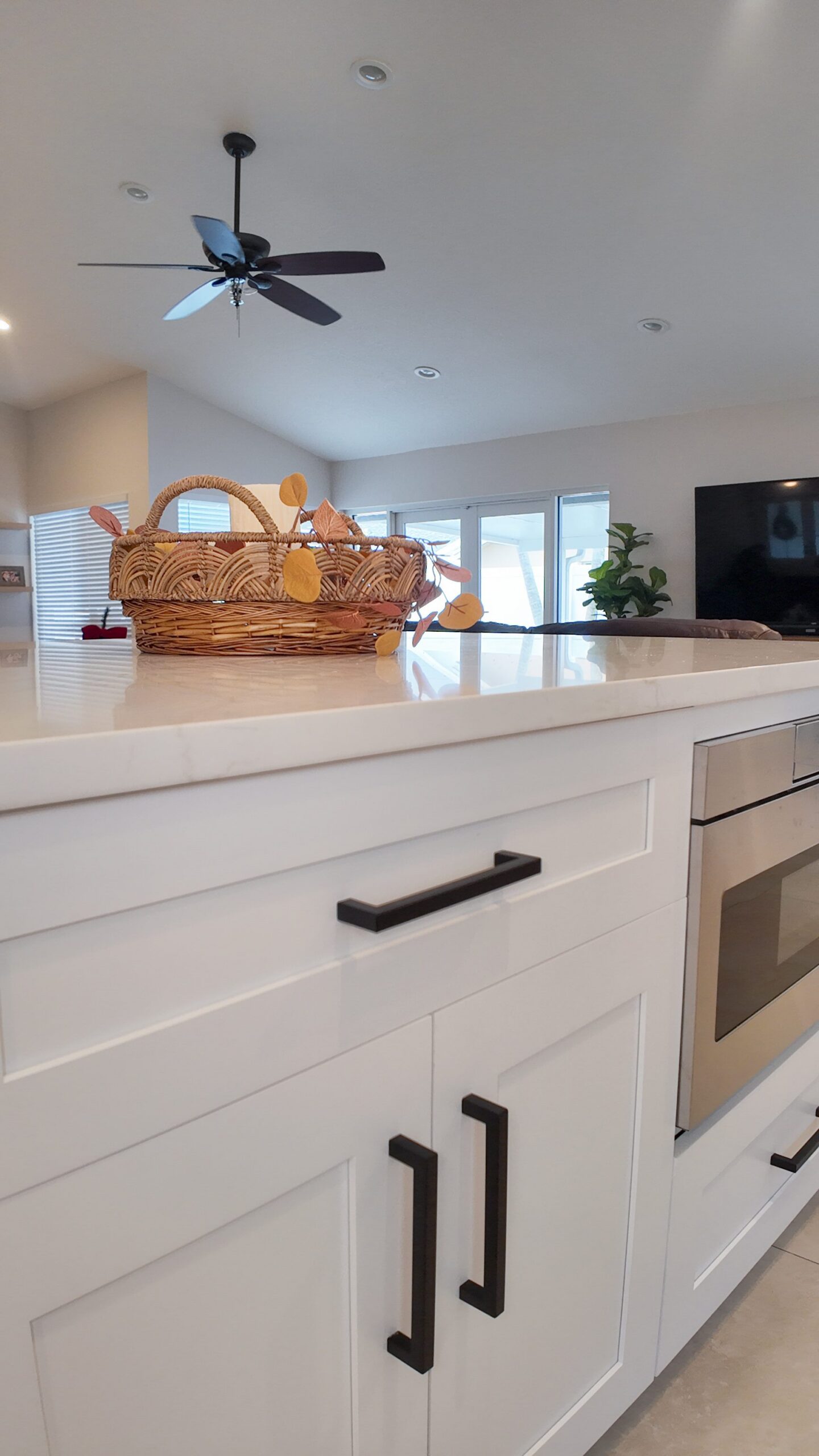
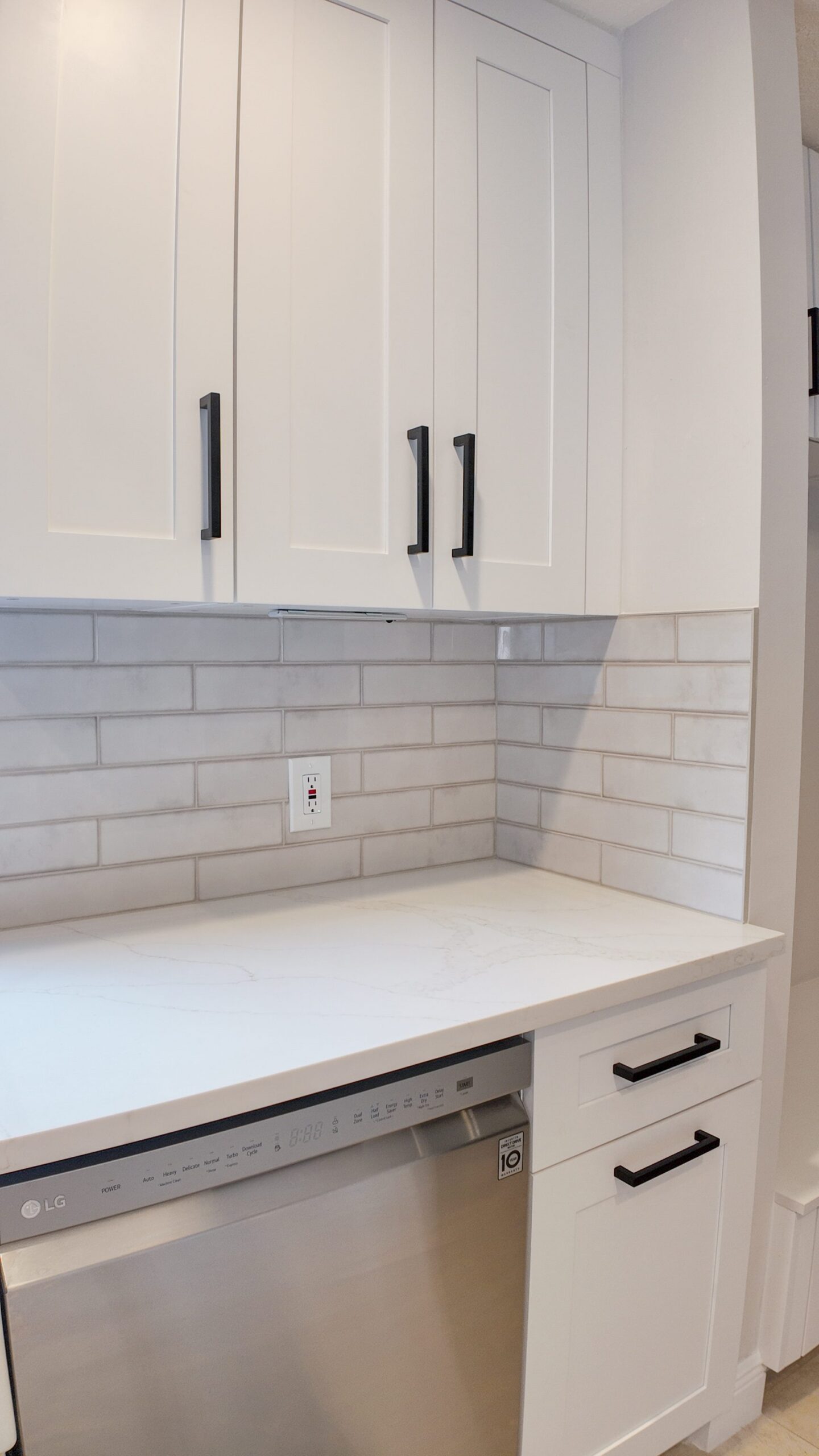
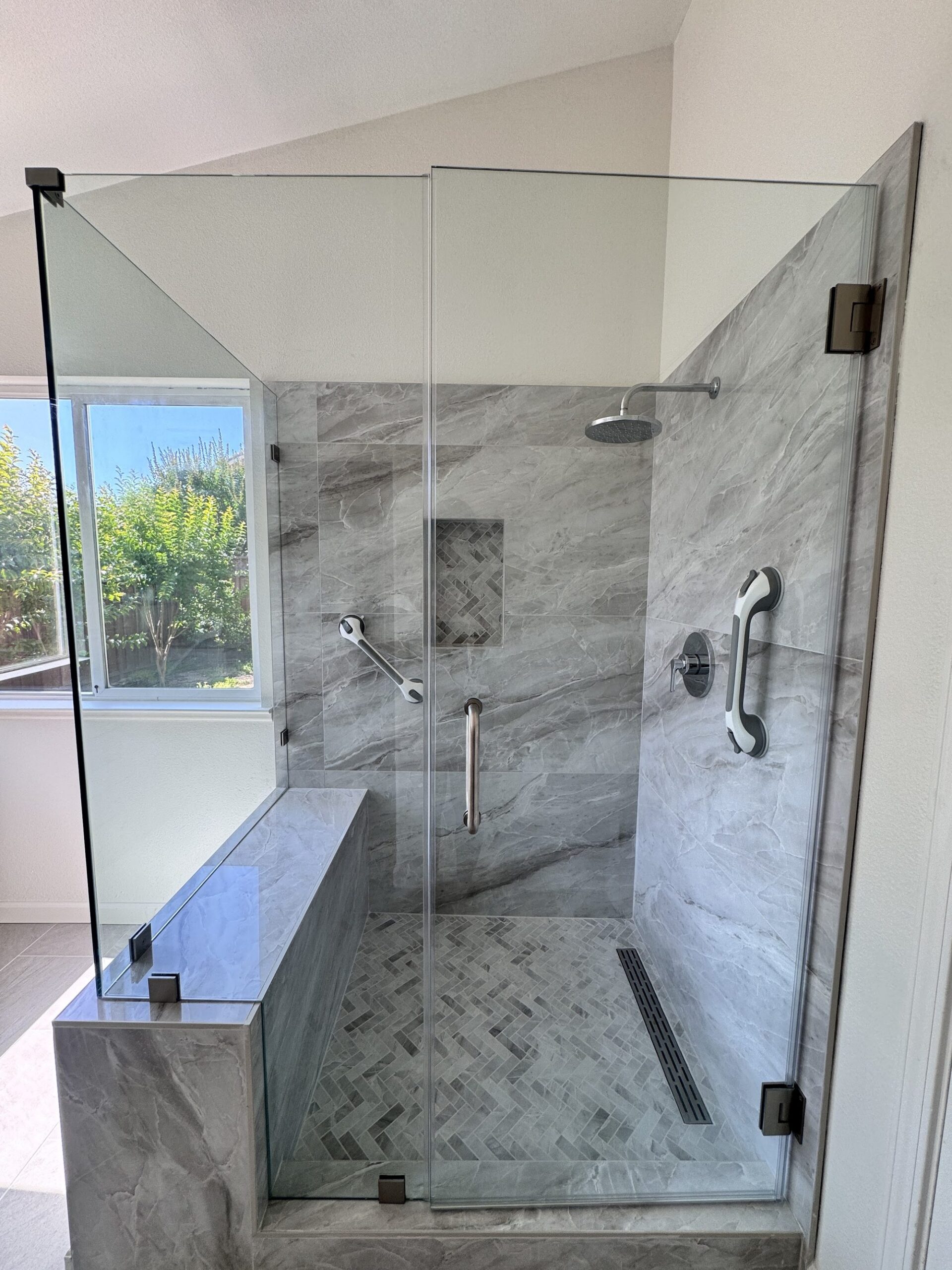
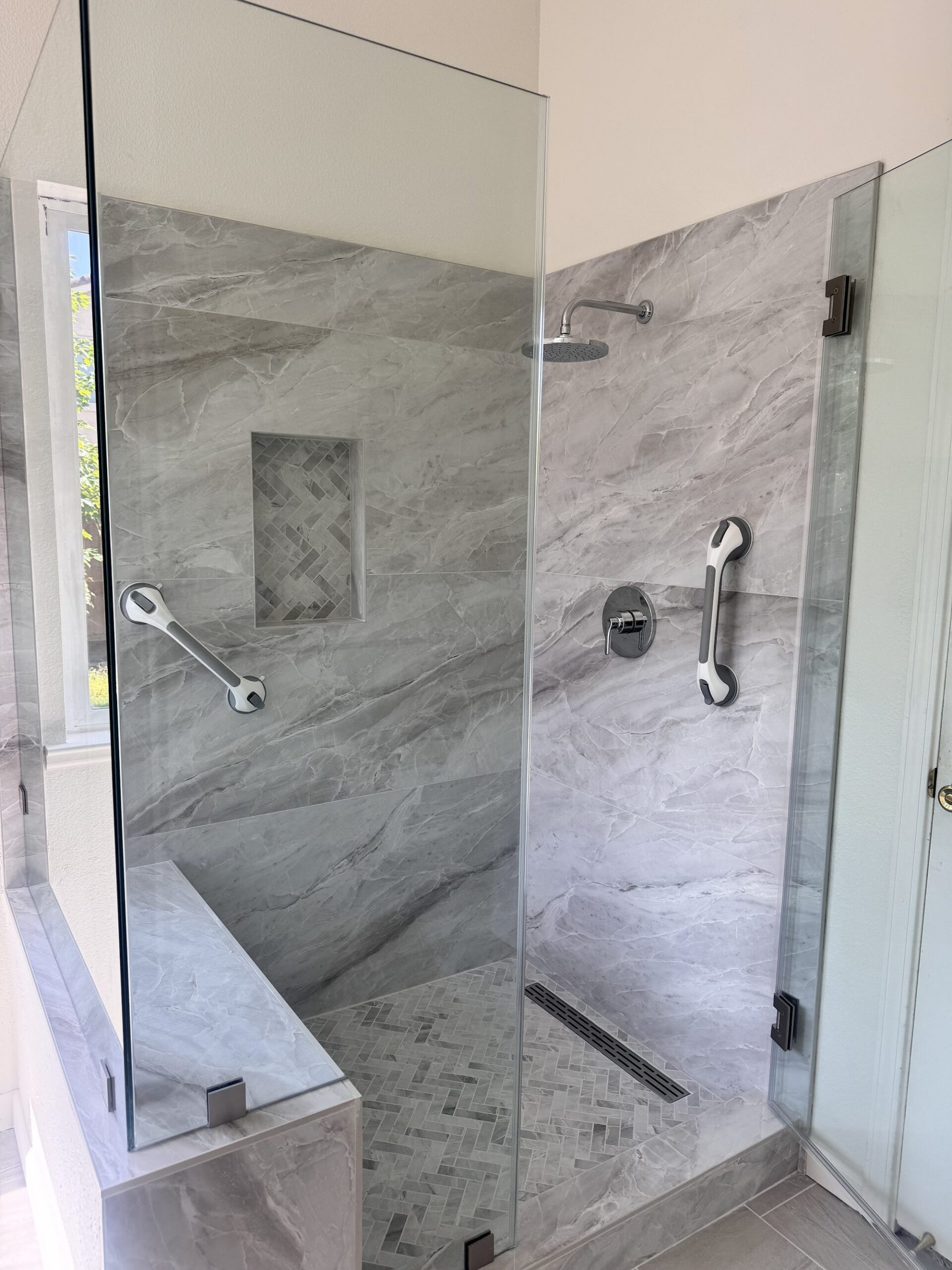
The kind of finished kitchens and bathrooms Houston homeowners are financing when they call MAV.
Tick each one off as your contractor answers it.
Sources: CFPB and HUD (linked throughout this page and in Sources below).
None of MAV’s verified reviews mention financing specifically — these are verified Google reviews across our services.
“I had a great experience working with this company. From start to finish, the team was professional, reliable, and easy to communicate with.”
“MAV Design & Build did an excellent job with our remodeling project. The team was professional, responsive, and paid close attention to the details.”
“Really pleased with my experience with MAV Design & Build. They were professional, easy to work with, and did a great job with the project.”
“They were easy to communicate with, showed up on time, and made sure everything was done properly.”
About MAV Design & Build
Frequently asked questions
Does MAV Design & Build offer financing or work with a specific lender?+
What is the difference between a home equity loan and a HELOC?+
Can I finance a remodel without home equity?+
What is an FHA 203(k) loan?+
Should I use a cash-out refinance to pay for a remodel?+
How much should I plan to finance for a Houston remodel?+
Get a number worth financing
A fixed-price scope is the difference between borrowing an amount and borrowing a guess. Design and price the project first, then take a real figure to your lender.
Book a ConsultationCall (832) 532-6829MAV’s complete home renovation services cover the full design and build. Size the number you plan to finance against MAV’s own published ranges for a kitchen remodel, a bathroom remodel, a home addition, or a full home renovation.
- CFPB: What is a home equity line of credit (HELOC)?
- CFPB: What is a home equity loan?
- CFPB: What is the difference between a home equity loan and a HELOC?
- CFPB: Cash-Out Refinances and Paydown Behavior of Non-mortgage Debt Balances (Jan. 2025)
- CFPB: What is a personal installment loan?
- HUD: Title I Insured Programs
- HUD: 203(k) Rehabilitation Mortgage Insurance Program
- MAV Design & Build: Complete Home Renovations
- MAV Design & Build: Kitchen Remodel Cost in Houston
- MAV Design & Build: Bathroom Remodel Cost in Houston
- MAV Design & Build: Home Addition Cost in Houston TX (2026)
- MAV Design & Build: Full Home Renovation Cost in Houston (2026 Guide)
All facts above were checked against these sources on September 25, 2026. No rate, APR, monthly-payment example, fee or approval likelihood is stated anywhere on this page because those figures are lender-specific, change constantly, and MAV does not publish figures it cannot stand behind. MAV names no financing partner on this page because none could be verified on MAV’s own live site independent of this page.
I'm extremely satisfied with my kitchen renovation. The entire process was handled with professionalism and precision. The crew was respectful, efficient, and always made sure I was informed every step of the way. The final result — a beautiful, well-designed kitchen with top-quality finishes and excellent craftsmanship.
Love their work, the kitchen turned out amazing and exceeded our expectations. Completed in much shorter time than I thought it would. Can't recommend them enough!!
Great experience working with this company! They remodeled my kitchen and did an amazing job. The team was professional, easy to work with, and always on time. Everything went smoothly, and they paid attention to the small details.