Professional Roofing Systems for Strength & Performance
New Roof Planning and Structural Design
Every roof installation begins with a detailed planning phase that defines structure, slope, drainage, and load requirements. We evaluate the building framework to ensure it can support the roofing system while maintaining stability and performance. Structural design includes determining pitch, support systems, and layout alignment. This ensures that the roof is built with precision and meets both functional and structural requirements from the start.
Installation vs. Replacement: Not the Same Project
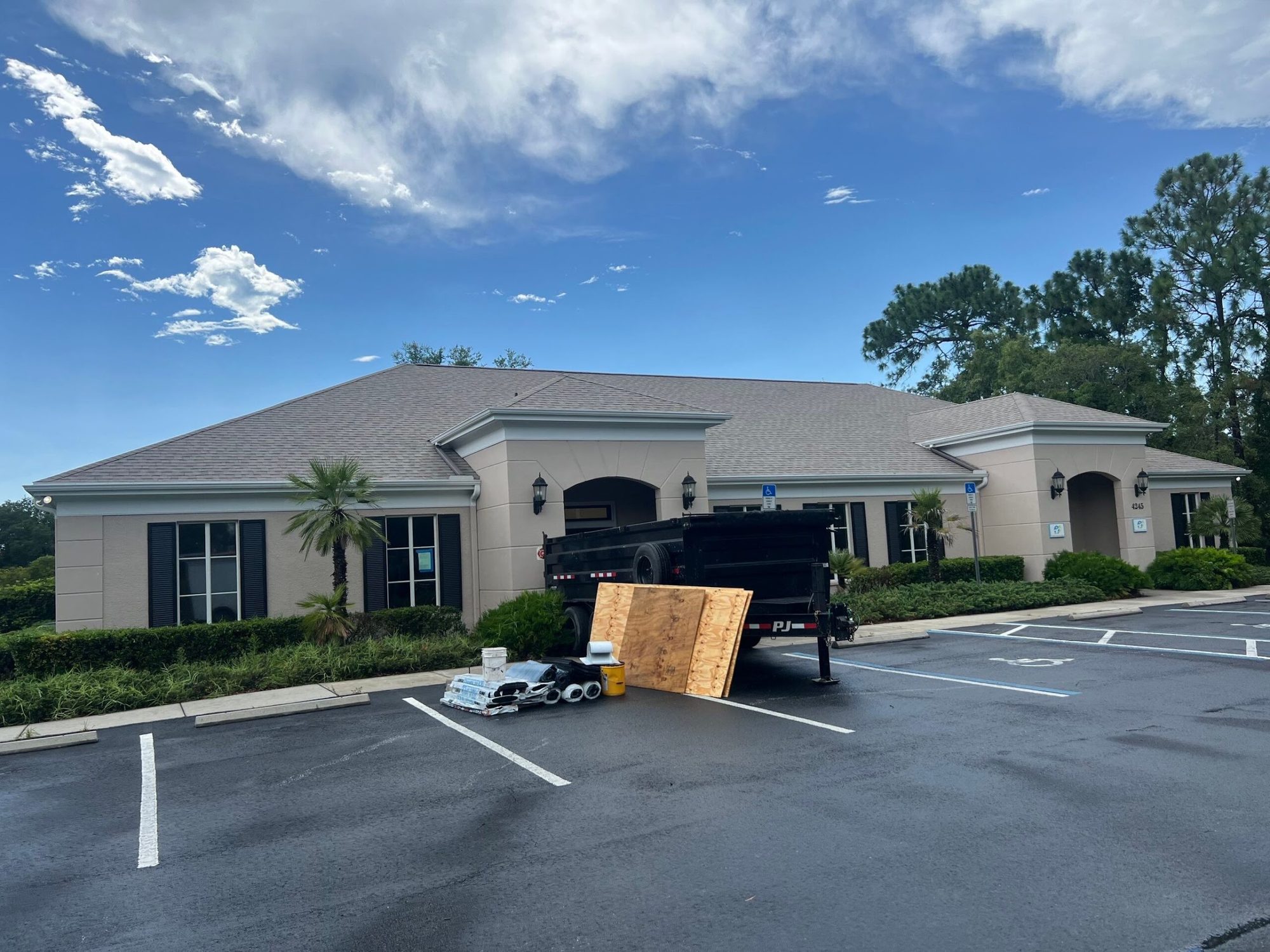
Roof installation refers to putting a new roof system on construction that does not already have one — a room addition, a detached ADU, a garage conversion, or a new-construction build — rather than tearing off an existing worn roof. The sequencing and material decisions are the same (you are still choosing between shingle and metal based on the same Houston wind, heat, and hail factors), but the project fits into a larger addition or build timeline rather than standing on its own. If you are reroofing an existing home instead, that is a roof replacement.
Material Selection and System Configuration
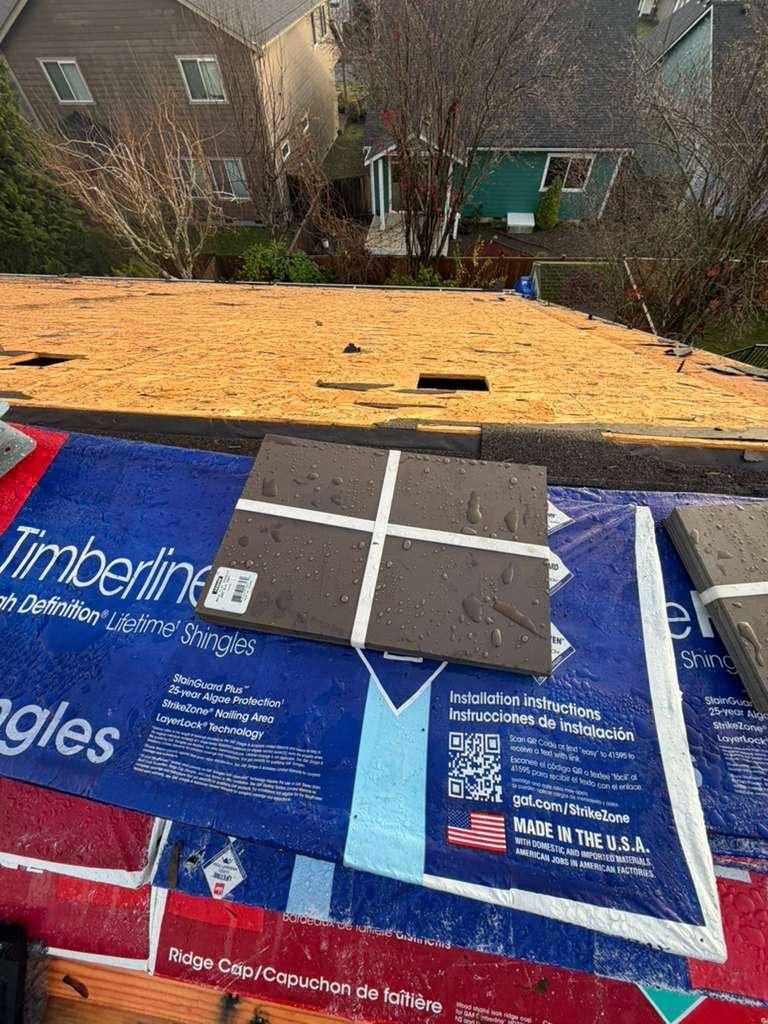
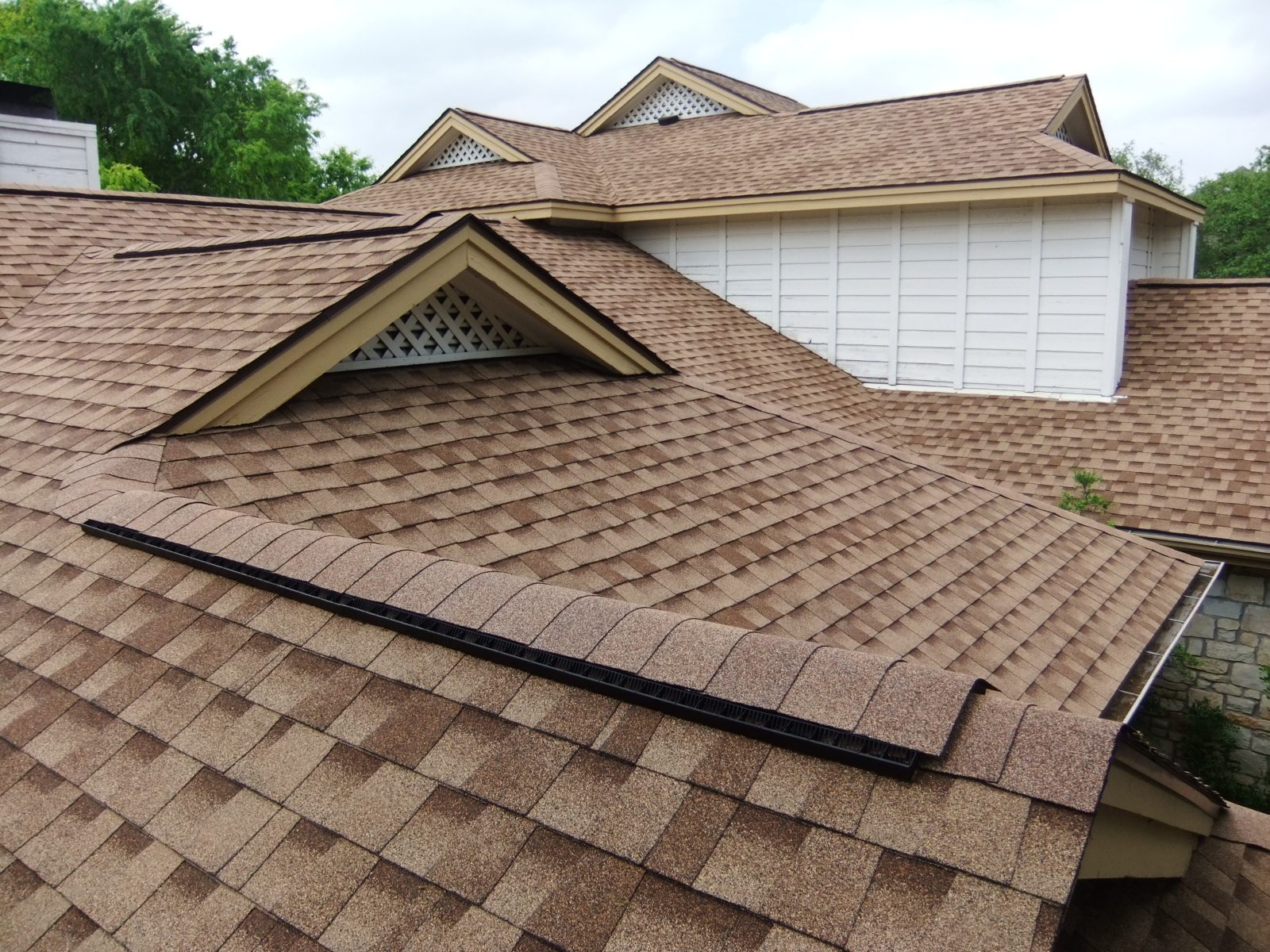
Selecting the right materials is critical for roof performance and longevity. We guide homeowners through options such as shingles, metal panels, and other roofing systems based on durability, energy efficiency, and climate resistance. Material selection is integrated with system configuration, ensuring all components—underlayment, flashing, and ventilation—work together seamlessly. This creates a high-performance roofing system tailored to your property.
Roof Deck Preparation and Base Installation
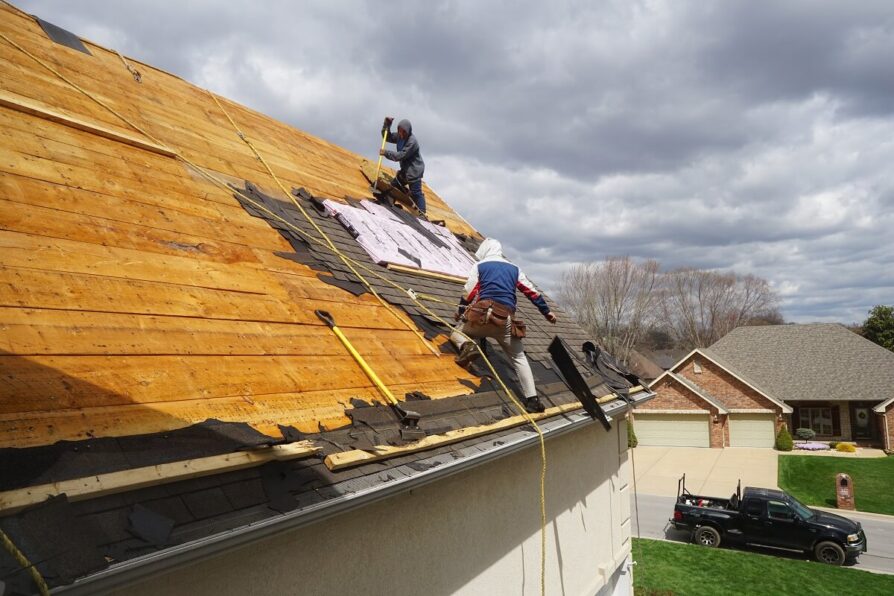
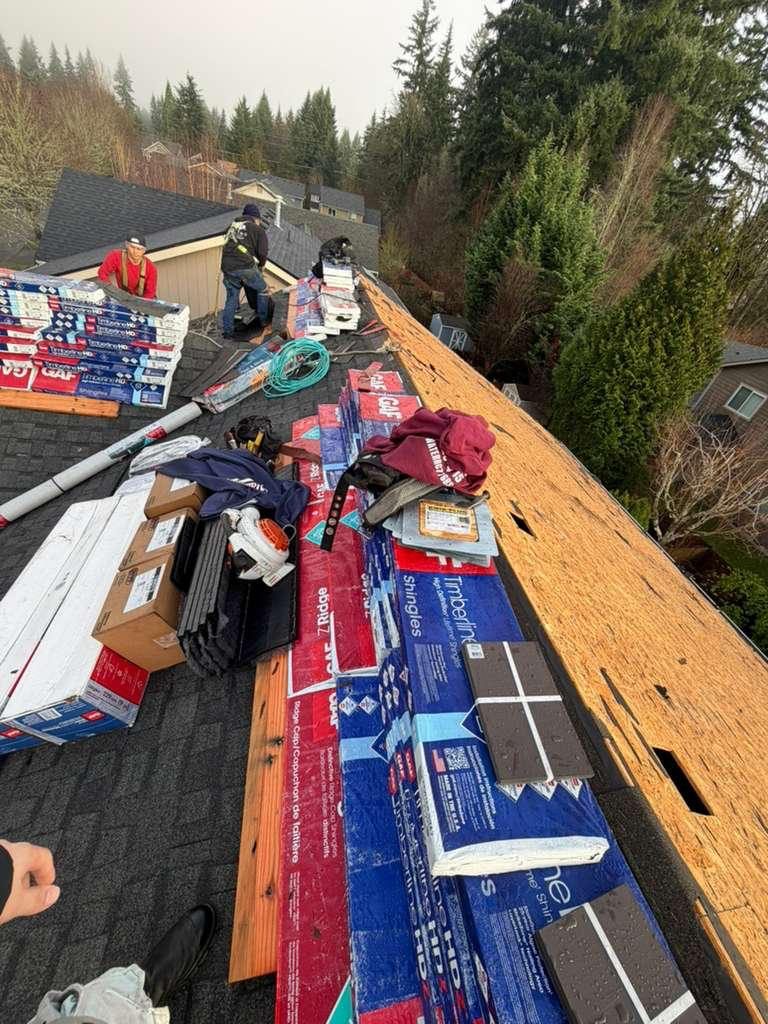
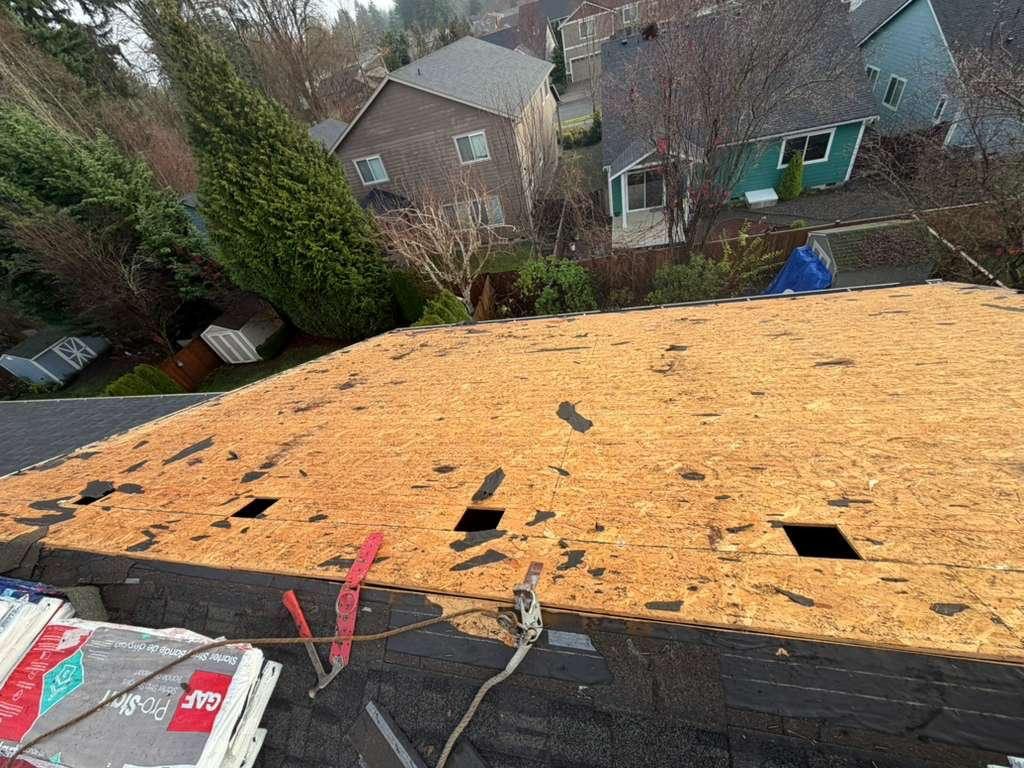
Before installing roofing materials, we prepare the roof deck to ensure a stable and level surface. This includes inspecting structural components, reinforcing weak areas, and installing a proper base layer. A well-prepared deck is essential for supporting the roofing system and preventing future issues. This step ensures long-term stability and optimal performance.
What’s Included in Roof Installation Services
- Structural evaluation and roof design planning
- Roof deck preparation and reinforcement
- Underlayment and waterproofing installation
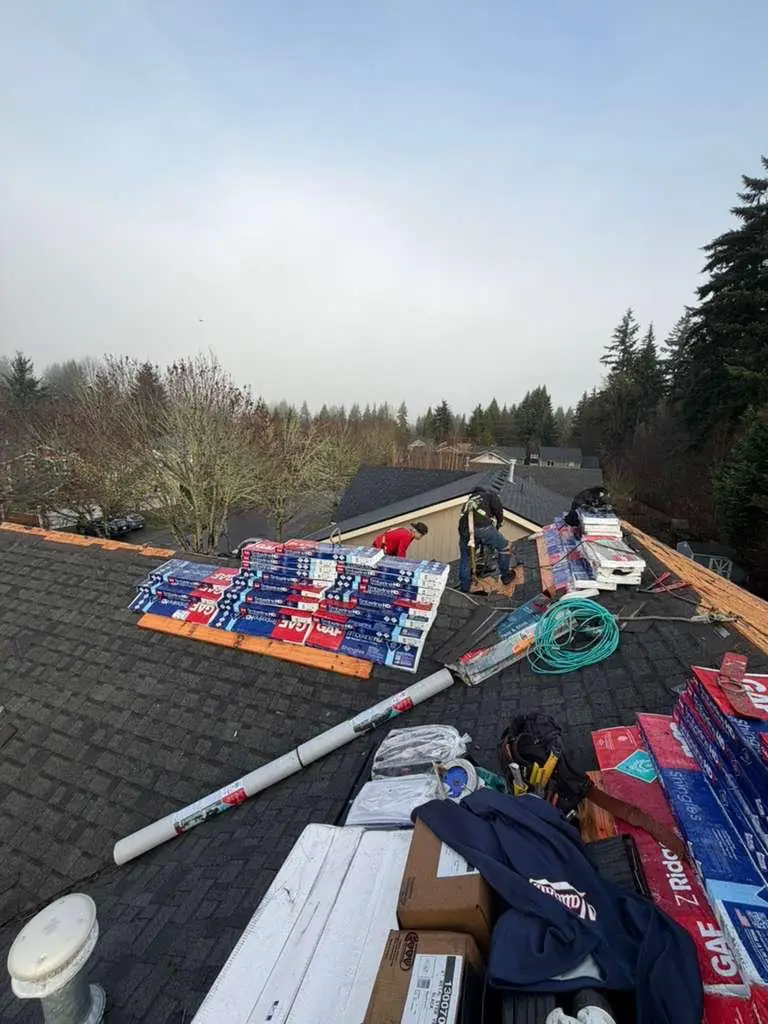
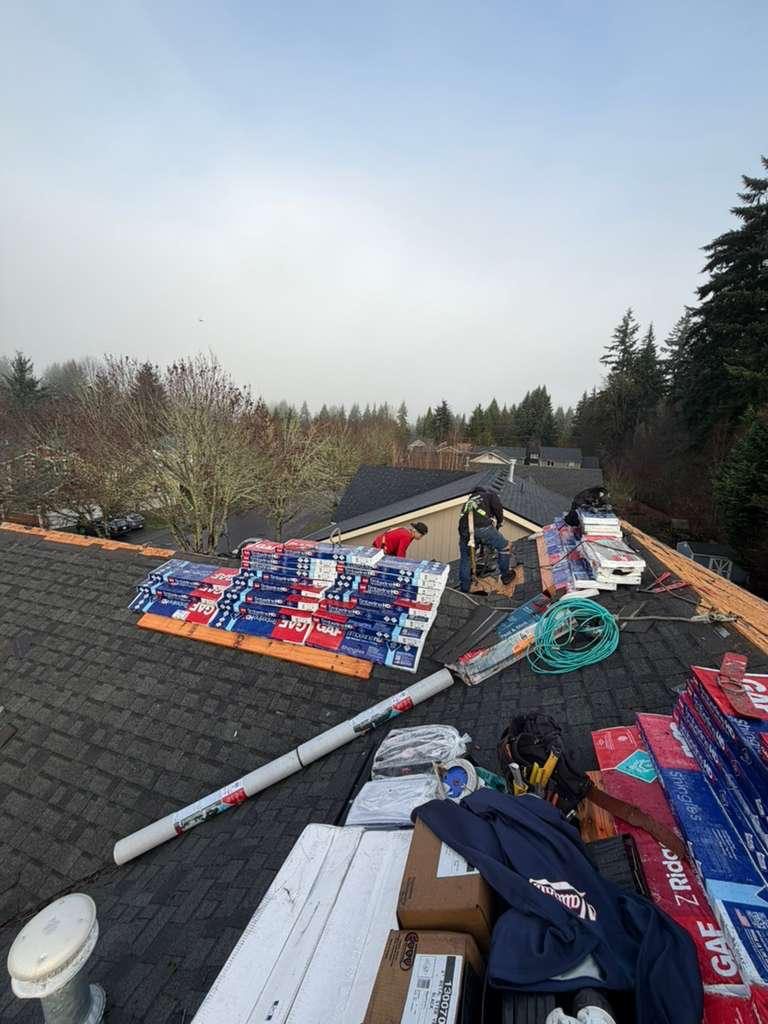
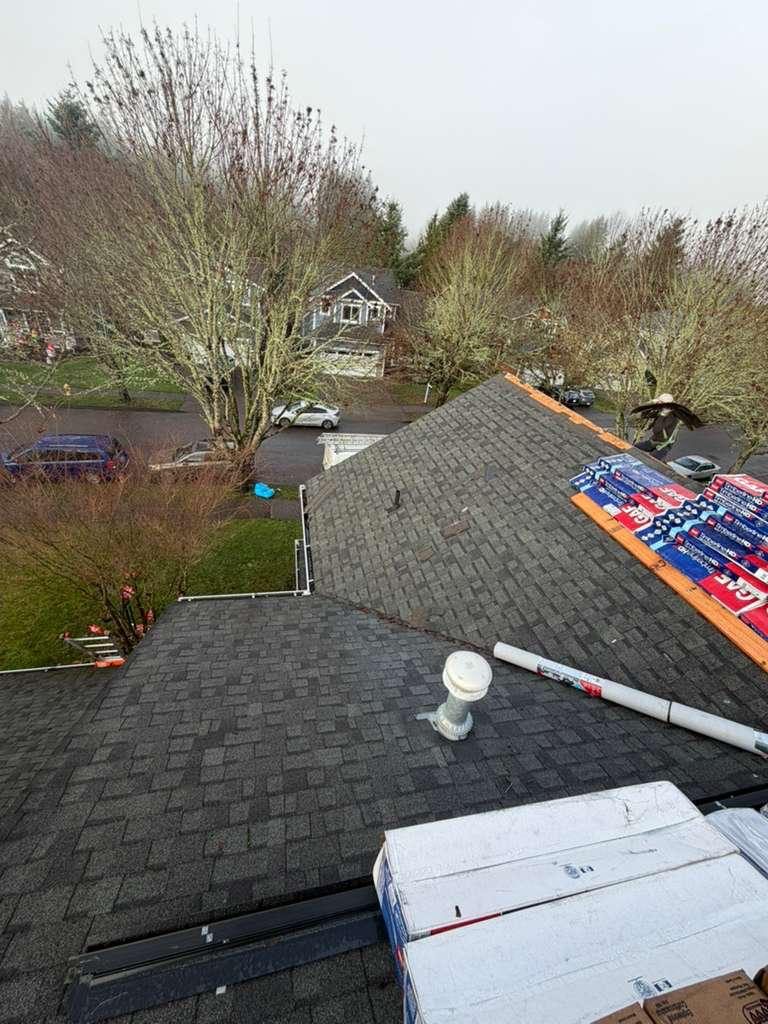
- Roofing material installation and system integration
- Flashing, ventilation, and drainage system setup
- Final inspection and performance verification
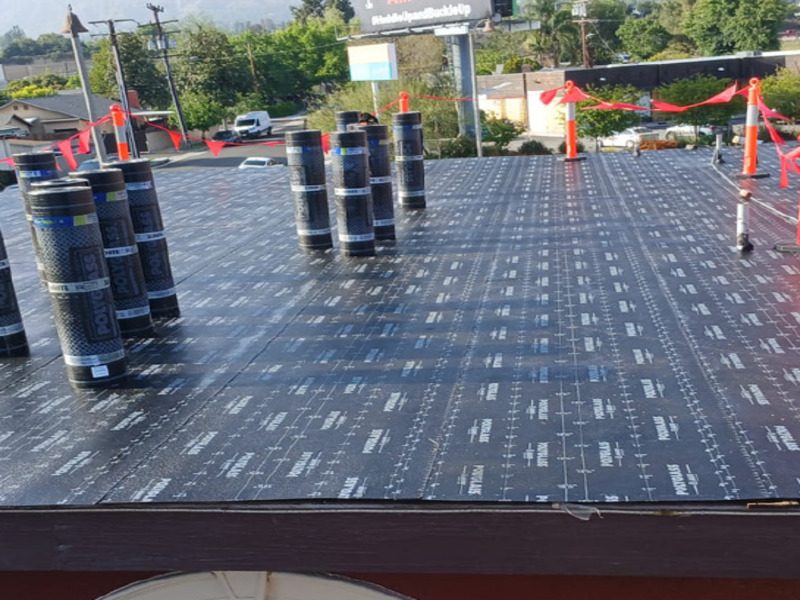
Underlayment and Moisture Barrier Installation
We install high-quality underlayment systems that act as a protective barrier between the roof deck and the outer roofing material. This layer prevents water infiltration and adds an extra level of protection against environmental elements. Proper underlayment installation is essential for maintaining the durability and longevity of the roofing system.
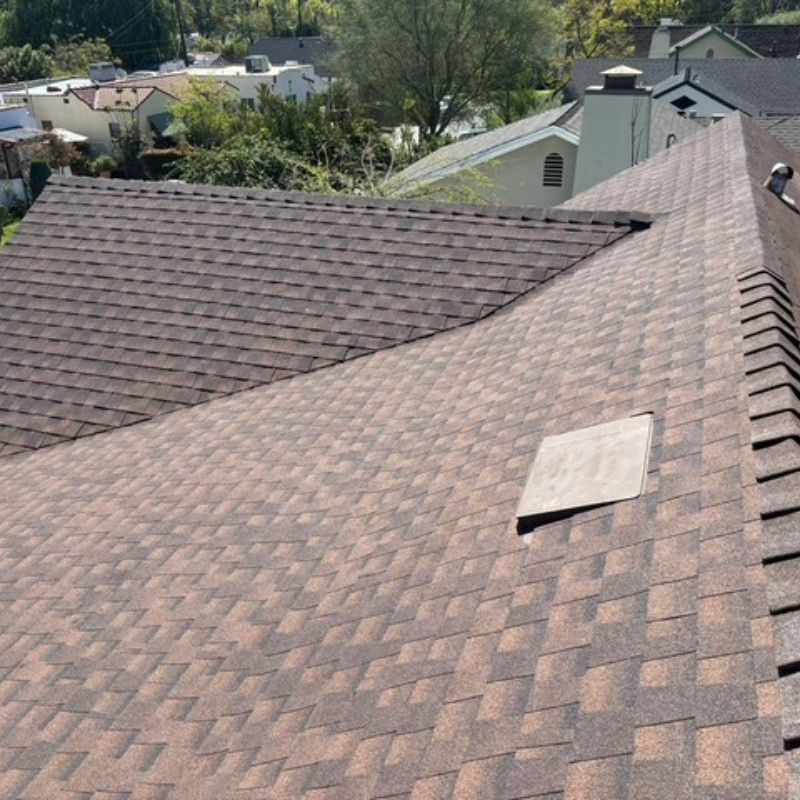
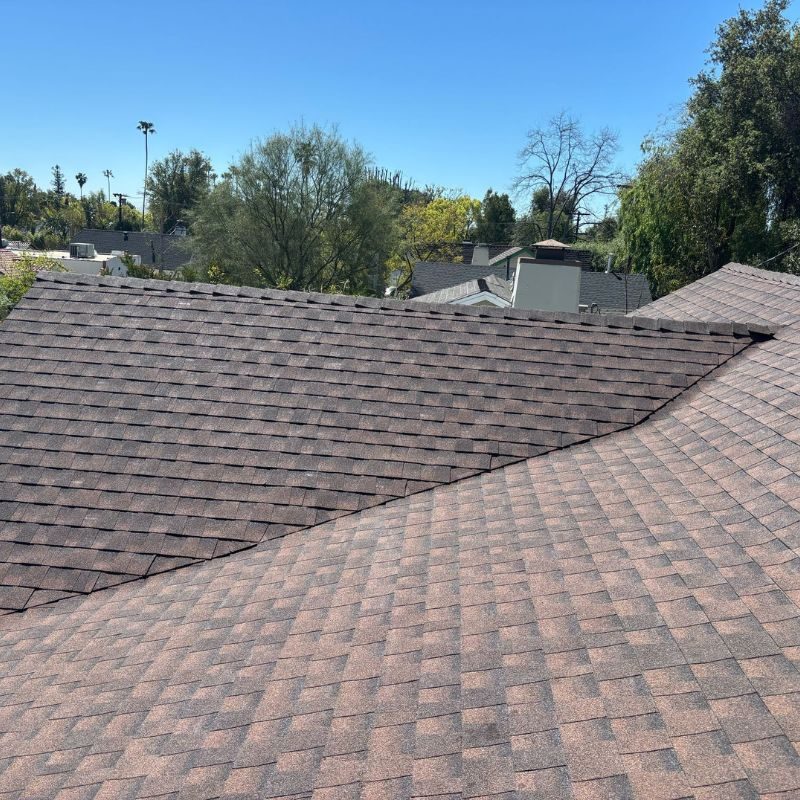
Roofing Material Installation and Precision Placement
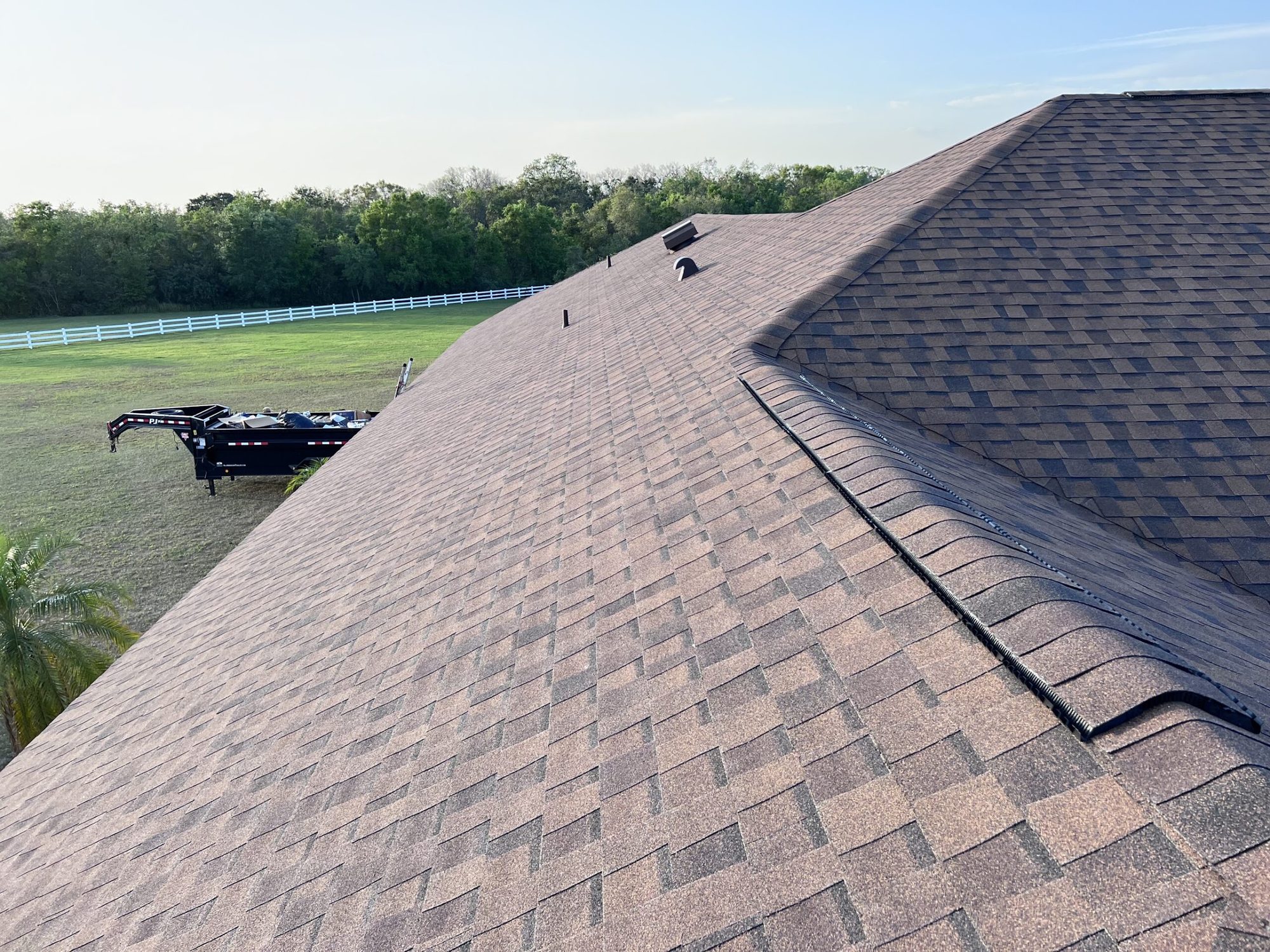
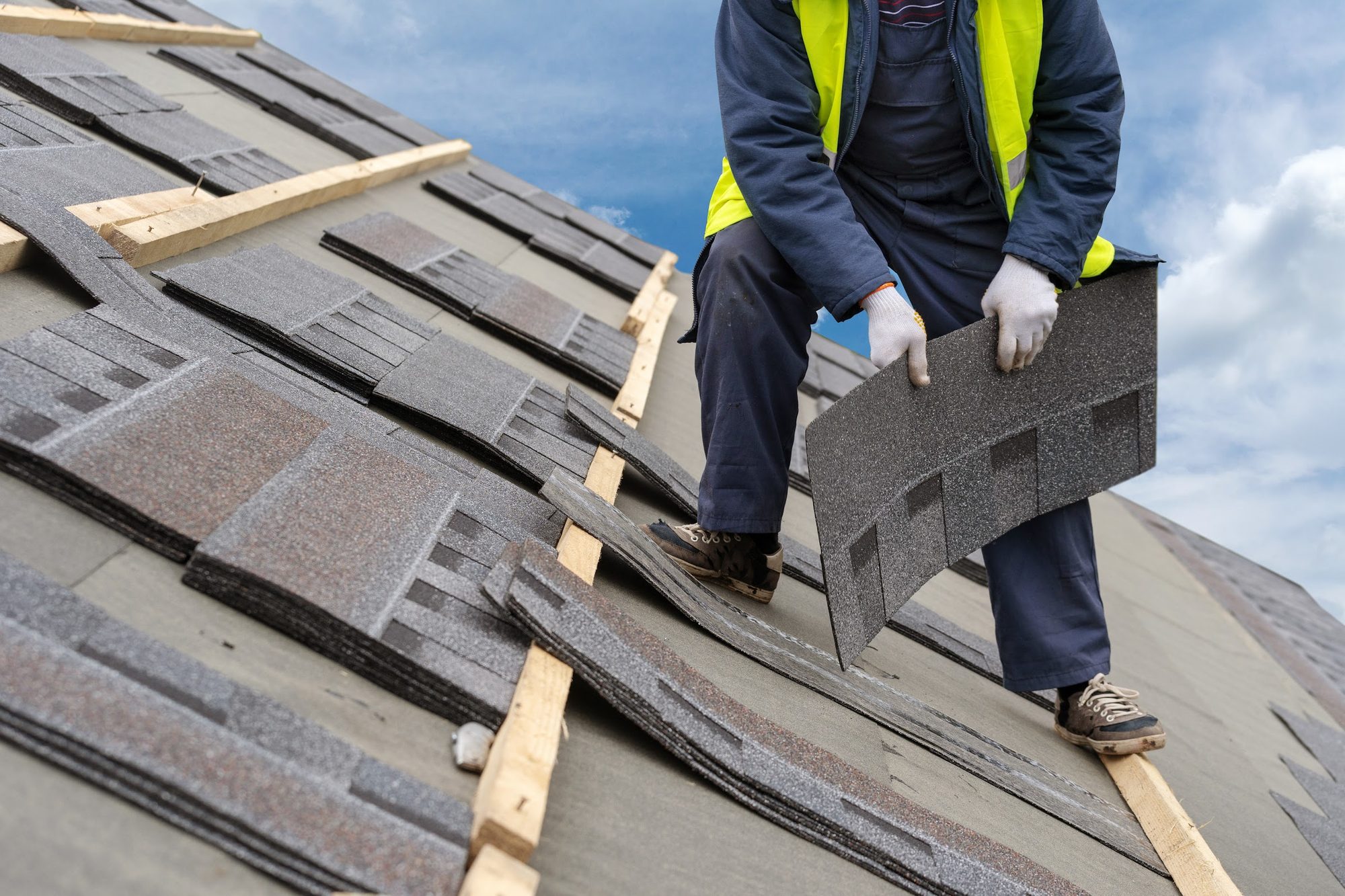
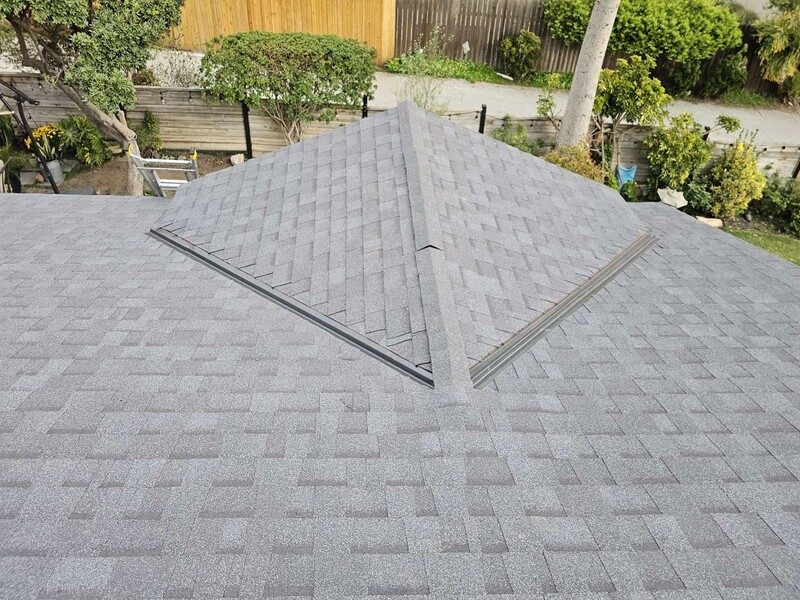
The installation of roofing materials is performed with precision to ensure alignment, durability, and weather resistance. We follow industry-standard techniques to secure materials properly, ensuring they remain stable under wind, rain, and temperature changes. Proper placement and fastening create a strong and reliable roofing system.
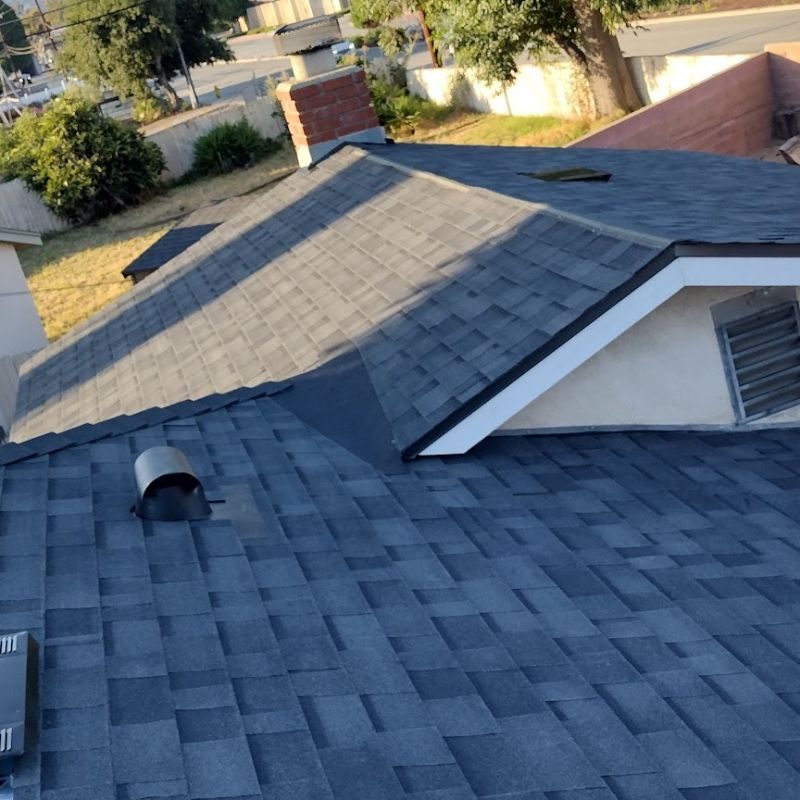
Flashing Installation and Leak Protection
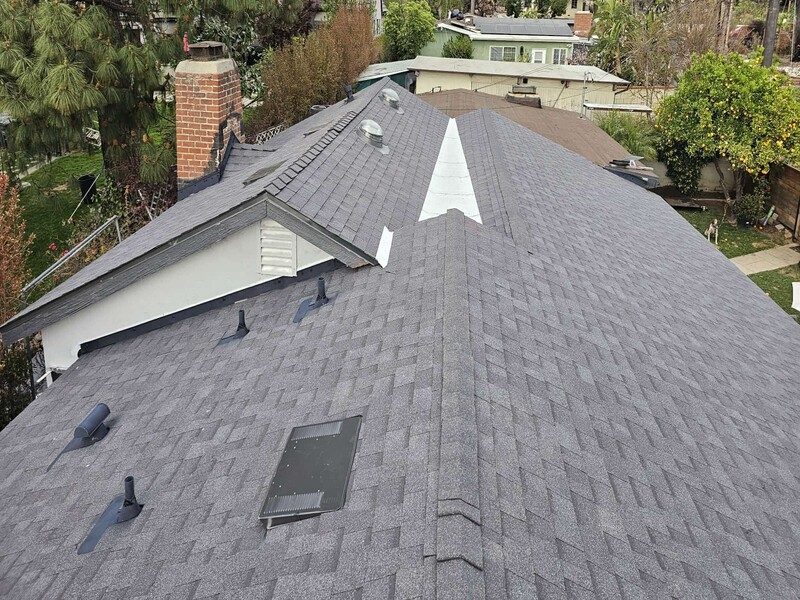
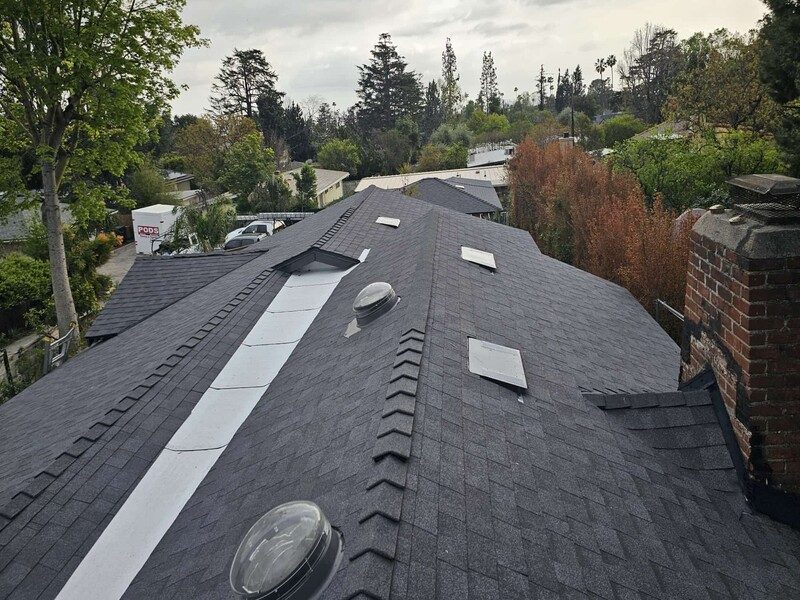
Flashing is installed around critical areas such as chimneys, vents, and roof valleys to prevent water penetration. We use durable materials and precise installation methods to ensure complete sealing. Proper flashing integration is essential for maintaining a watertight roofing system and protecting your home from leaks.
Roof Ventilation and Airflow Design
Effective ventilation is a key component of roof installation. We design and install ventilation systems that regulate airflow within the attic, reducing heat buildup and moisture accumulation. Proper ventilation extends the lifespan of the roofing system and improves energy efficiency by maintaining consistent indoor temperatures.
Drainage Systems and Water Management
We design roof drainage systems to efficiently direct water away from the structure. This includes installing drip edges, gutters, and downspouts that prevent water buildup and protect the foundation. Proper water management is essential for maintaining structural integrity and preventing long-term damage.
Weather Resistance and Climate Adaptation
Roof installation projects are designed to withstand Houston’s climate conditions, including high heat, humidity, and heavy rainfall. We select materials and installation methods that provide strong resistance to environmental stress. This ensures that your roof performs reliably under varying weather conditions and maintains durability over time.
Energy Efficiency and Thermal Performance
A properly installed roof contributes to overall energy efficiency by supporting insulation and ventilation systems. We ensure that the roofing system is designed to regulate temperature and reduce energy consumption. This improves indoor comfort while lowering long-term energy costs.
Code Compliance and Safety Standards
All roof installation work is performed in compliance with local building codes and safety regulations. We ensure that materials, installation methods, and structural components meet required standards. This guarantees safety, durability, and long-term compliance with Houston building requirements.
Project Coordination and Installation Workflow
Our roof installation process is structured to ensure efficiency and precision at every stage. From planning and preparation to final installation, each phase is carefully managed to meet design specifications. This ensures a smooth workflow and a high-quality finished result.
Long-Term Durability and System Performance
A professionally installed roof is built to provide long-term protection and performance. With proper materials and installation techniques, your roofing system is designed to withstand environmental stress and maintain structural integrity. This ensures reliable protection for your home over time.
Final Inspection and Performance Verification
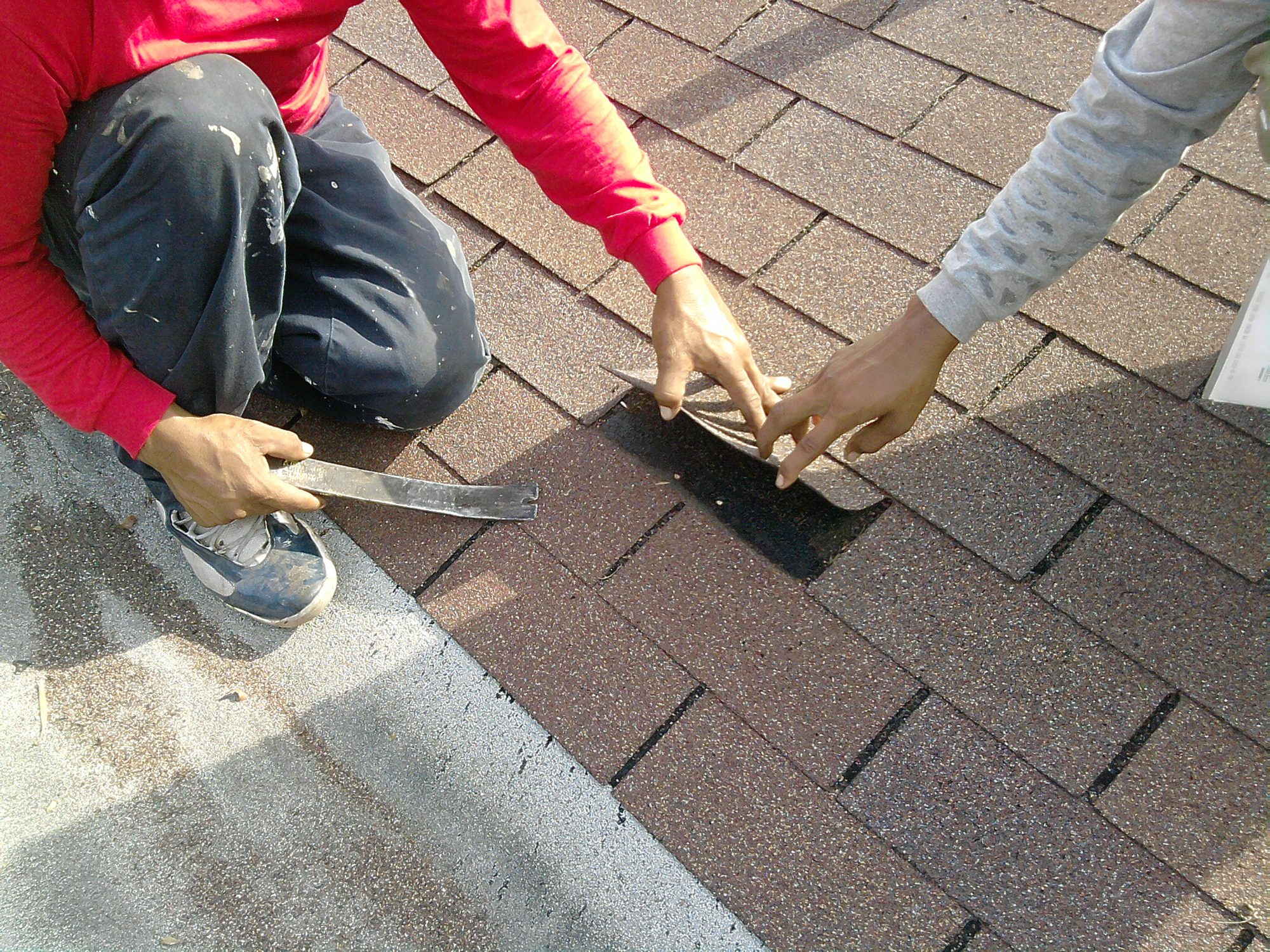
After installation, we conduct a thorough inspection to ensure that all components are properly installed and functioning as intended. This includes checking alignment, sealing, and overall system performance. Final verification ensures that the roofing system meets quality standards and is ready for long-term use.